Thursday, April 28, 2011

Secrets to Successful Thrifting

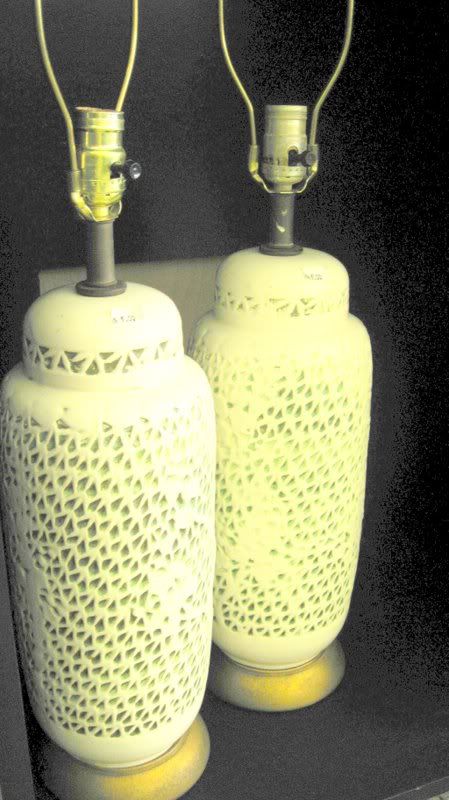
Two tall table lamps, only $5 each.

Looking to stage your home on a shoestring? Then put Goodwill, Salvation Army and other local thrift stores on your list of places to shop.

It's no secret that thrift stores are the places to go for bargains in almost every department.

What's not as well known is exactly how to find those treasures in the mess.

I want to give you the pointers that will make the difference between whether you walk away empty handed, or walk away with bags of furnishings you can use to stage every room.

I discovered the world of second hand shopping 38 years ago when I was pregnant with my first child. To keep up with my changing body shape, I purchased a couple of new outfits almost every week. By the time my daughter was born, I owned an impressive wardrobe of maternity clothing, one I could never have afforded if purchased new. (And one, as every new mom understands, I couldn't wait to get rid of.)

Since that time, I have relied on thrift stores and garage sales to furnish and stage homes, decorate gardens, provide reading material and toys, give me crafting supplies, and dress my husband, my children and myself. Here are my tips. 
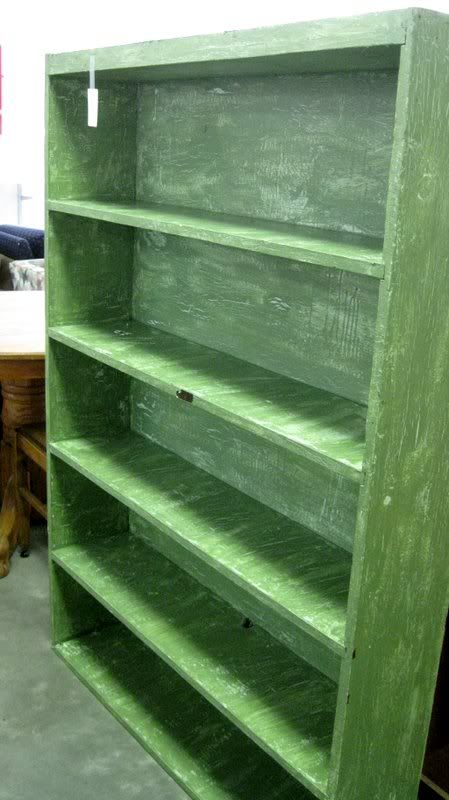
All it asks for is a coat of paint, $10!

KEEP YOUR COOL. It helps to know what you are looking for. Otherwise, it's too easy to be influenced by price. Don't become a junk junkie. Have a list or a specific purpose when you  go thrifting.

LOOK FOR CLASSICS. Thrift stores are showplaces for the quirky, the bizarre, the funky. That's one of the reasons people love them. But when you thrift to stage your home, you are hunting for what doesn't go out of style, or call attention to itself in a staged home. Not that lava lamp. Not the iridescent purple shower curtain. Not the framed sharks teeth collection. Hunt for simple shapes and timeless designs. Mid century modern furniture, Asian-inspired table lamps, well-constructed book cases, white curtains, leggy end tables, large matching frames and vases, coffee table books, furniture that makes rooms look larger, and generous outdoor planters, are examples of good buys.

THINK AHEAD. Be realistic about what you are willing and able to do once you get your new-old things home. Do you have the tools, the time, and the know-how to re-cover an upholstered piece, paint a stained dining room table and six chairs, or change the hem in lined draperies, for instance? Do you have the space for doing this kind of work?

Major pieces for minor investments.

BUYER BEWARE. Examine what you are considering buying before you actually buy it. You can't return items. If you are accustomed to shopping only regular retail, your mind may not run in this path. Although most thrift stores scrutinize what they put out, don't assume anything. A lamp part could be missing. Fabric stains may be incurable. Dresser knobs may not match. Sometimes the repair will offset the savings, like a new tempered glass for that outdoor tabletop, or the fabric needed to slipcover that chair.

BE PREPARED. Drive a vehicle that will transport your bargains. Bring a tape measure. Bring hand sanitizer. Bring your list. Bring cash. 

BE PERSISTENT. Pick your favorite thrift store(s) and go there on a regular basis. Ask about when new merchandise is put out. Hop in on your lunch hour, or on your way home from work, on Saturday mornings (although not always the best time), or whenever you can. The more you haunt these places, the more "luck" you'll have. The best bargains are sold first. However, that doesn't mean there aren't treasures waiting for you that have been on the shelf for weeks. One homeseller's trash is another homeseller's treasure.
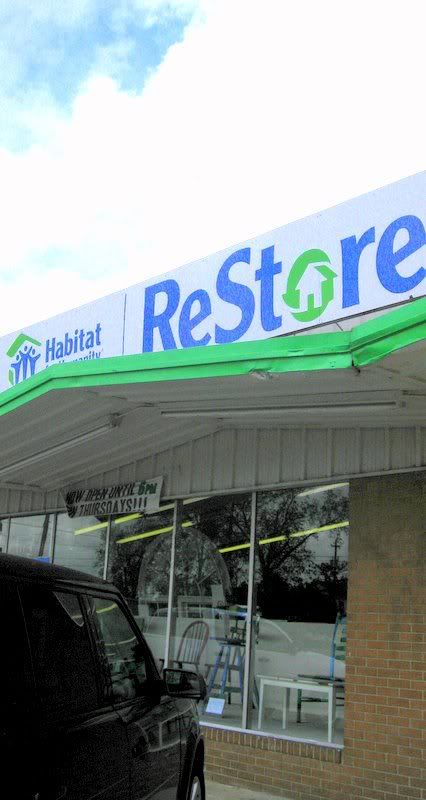
ReStore is an ideal source for DIY staging. 

DEAL WITH YOUR DISTASTE. For those of you who don’t like the way some second hand stores smell, wear some of your favorite fragrance so you aren’t as discouraged or distracted by an off-putting aroma. If what you want to buy has an unpleasant scent, reconsider. Some scents just never go away, no matter how much fresh air, bleach or baking soda you use. 

UPGRADE. If you feel thrift stores are too tacky, bump yourself up to consignment stores, where the owners are more particular and you won’t have to check everything over for stains, missing parts, or poor quality. You’ll pay a little more than at Goodwill, but still way less than la-de-dah “maul” stores.

DON'T WAIT. The sooner you start your search for frugal staging furniture and props, the better. You can't beat the prices for both essentials and the extras that makes staging economical, especially when you are staging a vacant house. I hope you'll have fun on your thrifting expeditions, and bring back bargains that add to your home's look of luxury and warmth. But buy only the bargains that work for home staging. Remember, you'll be moving soon!
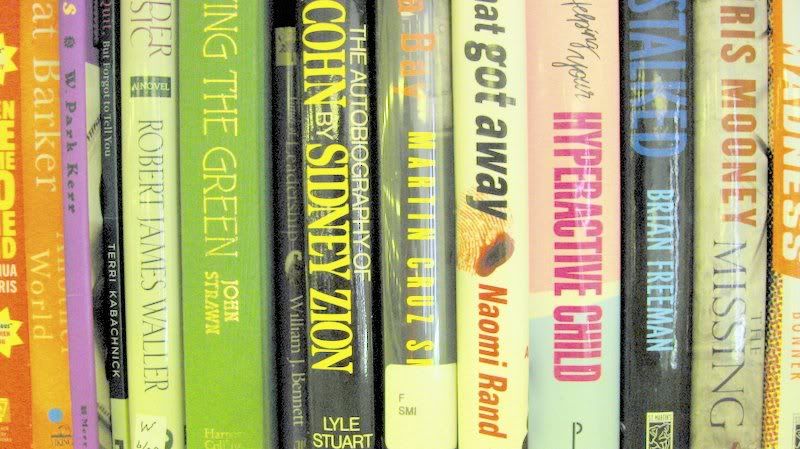
These inexpensive books from Goodwill look gaudy, but they will look impressive when 
you cover them with paper book jackets in a color that compliments your decor.
I give examples of decor styles that work well for home staging, the ones to look for in second hand stores, in my eBook, DIY Home Staging Tips to Sell Your Home Fast and For Top Dollar. The more you know, the better your staged home will look and the faster it will sell.

Monday, April 25, 2011

So You Think You're Not the Thrift StoreType?

Are you holding back from shopping at thrift stores because you believe that ...
  • There's only broken down junk there?
  • Everything is old and out of date?
  • Only poor people shop there?
  • You'll never find anything you like in the mess?
  • You need a big imagination for buying second hand stuff?
  • You don't paint or do crafts, so you couldn't make whatever you drag home look good?
Today we are going to dispel these myths. In fact, all this week on Facebook, I'll be posting tips to help you become a better thrifter.

I've collected a group of my own photographs to prove my point that good stuff goes out the front door of Goodwill, Salvation Army, and other charity shops everyday. I know that some readers are confirmed, even compulsive, second hand shoppers.

But many others think that every time you bring home a thrift store item, it doesn't become a treasure until you've painted it, or repurposed it, or added handles, or framed it, or distressed it, or taken it apart to repair it, or combined it with something else to make it beautiful or usable. Wrong.

The "silver" julep cup pictured above set me back $2.99, but the best part was, I didn't have to find silk lilies for it. The price included the flowers. Off the shelf, I had a pretty tabletopper ready for staging. 

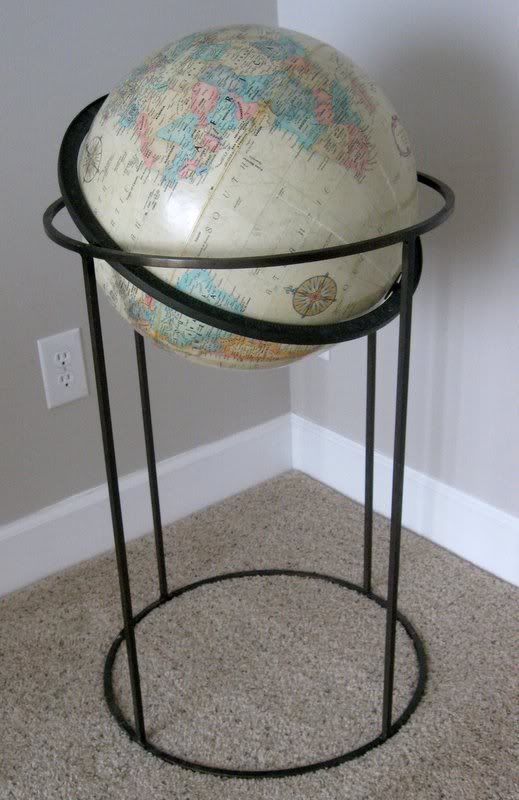
The lovely globe you see here cost me $2. Yes. Someone didn't want it because it was out-of date, but I think it's a classic, perfect for adding interest to the corner of a staged room without taking up space. 

Does it take some imagination to go thrifting and come home with what will work for your home staging? I prefer to say it takes focus. Second hand shopping is not like the usual retail experience, where the merchandise is lined up by category and size and color, and you simply narrow your search to what you need.

When I shop second hand stores, I usually have a purpose in mind, either specific or general. That's my focus. I might even keep repeating to myself what my focus actually is. "Ginger jar table lamp, ginger jar table lamp..." as I browse the shelf of lamps.

Focus also means not getting distracted by what's surrounding the merchandise. With practice, your eye learns to isolate each item, so that you can judge each one independently. There are no department store mannequins (usually), no music, no perfumed air, or artfully arranged groupings to capture your attention and entice you to buy. What you see is what you get, so look carefully.

You have to be your own salesperson and store manager, as well as the customer.
 

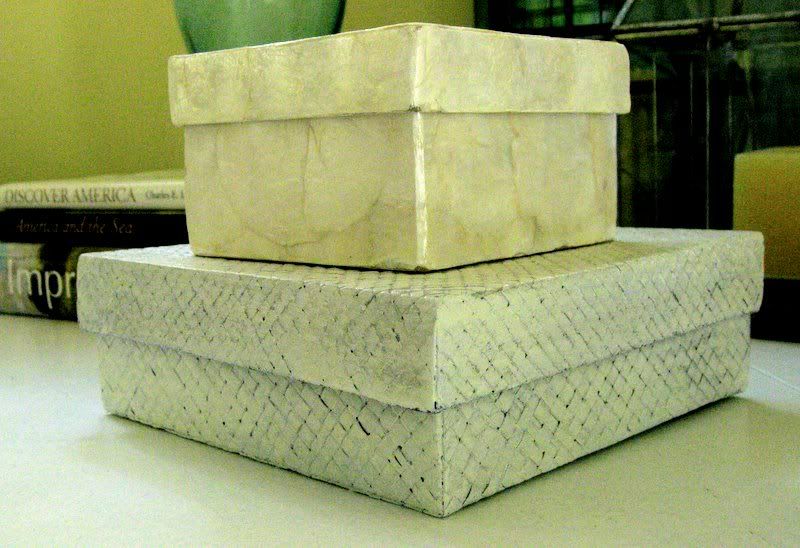
A home stager can't have too many pretty boxes. To give you an idea of their scale, these two boxes are a little larger than a typical cigar box. One is made from shells, and the other is woven reed, and they are both super handy. I use them to elevate a plant, candle, sculpture, photograph, or lamp, or to fill out a bookcase. I am sure I didn't pay more than $1 for either one.


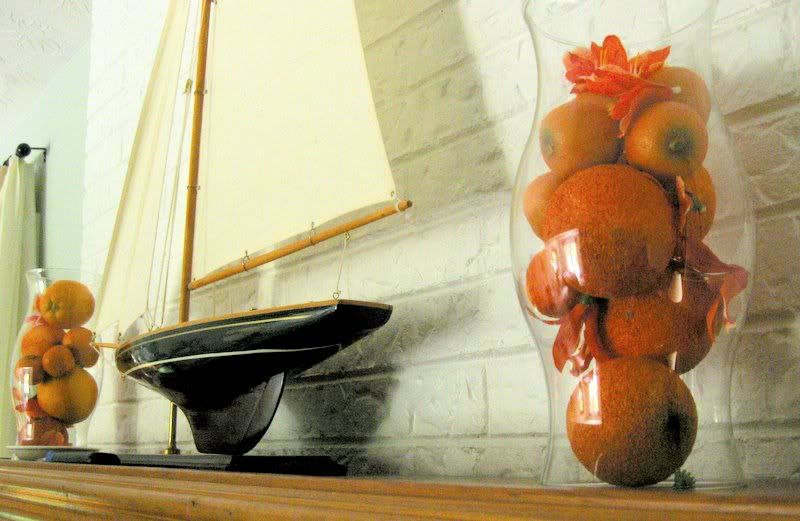
I am always on the lookout for glass hurricane chimneys at second hand stores, especially in matched pairs like these. I added second hand fake oranges and some silk freesia blooms to give them color. Together, the chimneys were about four dollars, a fraction of what they would be new.

   
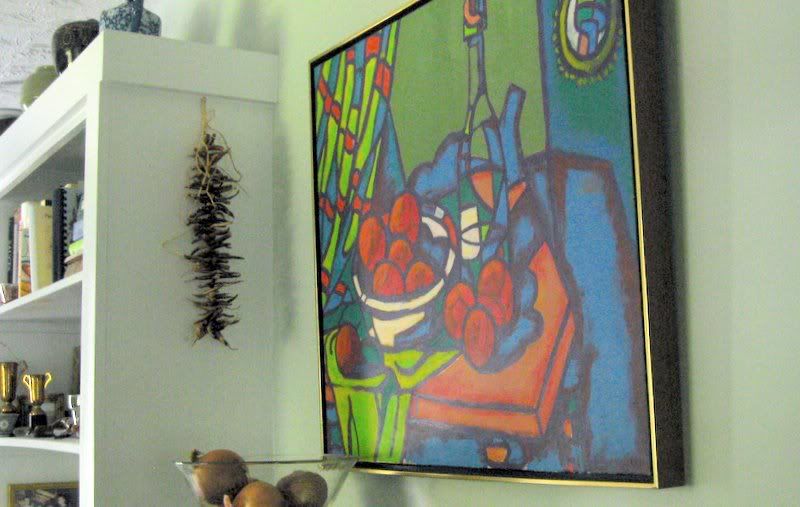
I could show you the sticker that is still on the back of this original painting. It says $5.99, which is triple the amount you would pay for just the raw, unprimed, unstretched canvas. Including the frame, it measures about 25 x 30 inches. It wasn't dirty, incomplete, banged up, crooked or chipped. Do you see the point I'm trying to make here?
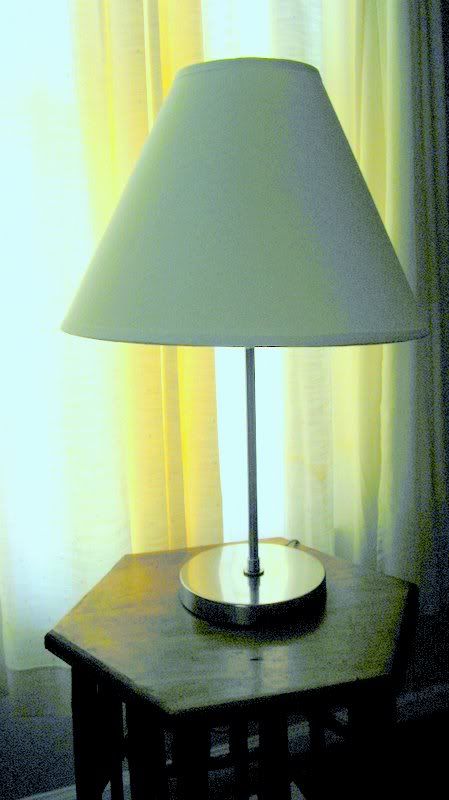
Let's talk lamps, one of my favorite second hand finds. I paid less than $5 for the chrome lamp here. Even though stick lamps like this get a bad rap  from some decorators, I find it versatile for home staging because it doesn't monopolize visual space. It came with the pristine white shade. Sometimes they come with lightbulbs, people! This lamp had no problems, and was ready to go into home staging service. Good second hand stores routinely check electric appliances before they display them.

I hope these few examples of just some of my many thrift store finds encourage any reluctant second hand buyers reading this post. 

If you follow my tips on Facebook this week, you'll learn more about thrifting to stage your home.
 
If you click on the Facebook icon, you can go directly to my DIY Home Staging Tips Group there. If you are already a Facebook member, it's easy to become a Group member, where you can connect with other people interested in home staging. It's one way to stay current with posts and tips, get encouragement, and  ask questions. 

My eBook, DIY Home Staging Tips to Sell Your Home Fast and  For Top Dollar gives more advice on buying second hand. Download the book now so you can start your smart staging today.

southern hospitality

Thursday, April 21, 2011

My Favorite Fake Plant for Home Staging? Cactus!

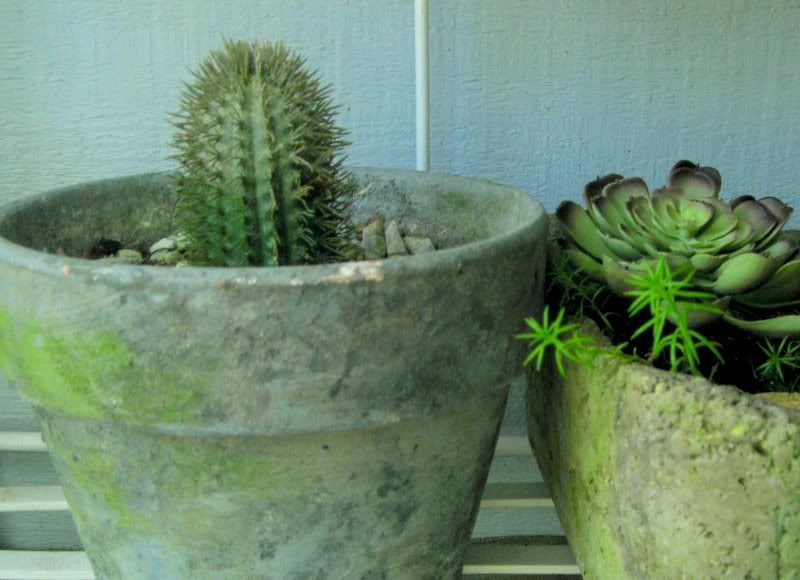
The only real plant here is the spindly little sedum coming to life after a winter slumber.

There are two kinds of people in this world. There are those who adore artificial plants, and those who abhor them.   

Maybe there is a third group -- those of us who didn't sign on with either team, but certainly find plastic and silk plants useful for home staging, and at other times when we want to decorate with a bit of drama, but be sensible about it.
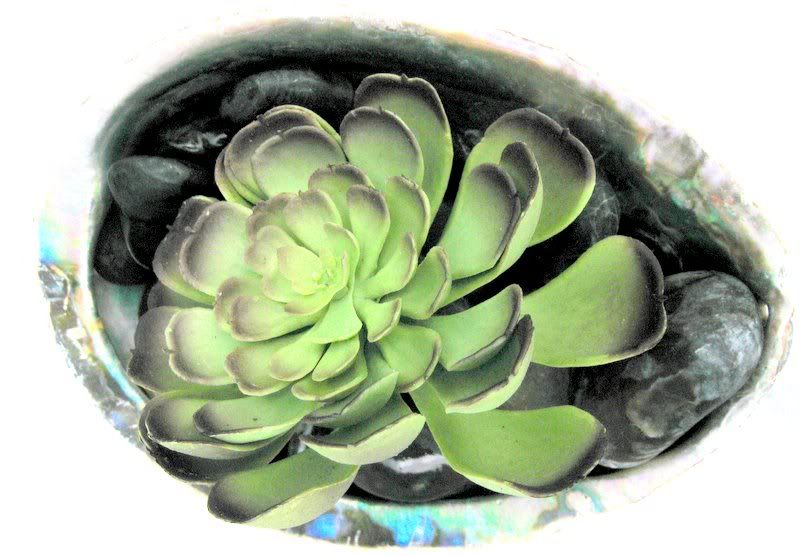
This cactus is "growing" in an abalone shell. Or is he?
I am linking this post to Photo Feature Friday, at A Rosy Note. I took these photos of succulents I have used for home staging. See if you can tell which are real and which are made of plastic. 

A small grouping of succulent plants in natural stone or clay pots can create an outdoor focal point, just the way a small herb garden does, as I wrote about last week. These kinds of focal points are part of exterior staging. They actually make your home feel more friendly. And I'm guessing that's the first time cactus plants have been called friendly.


This perky guy is living in a hypertufa planter I made to resemble stone (more trickery!). 
But succulents, either real or faux, make excellent accent pieces indoors as well as outdoors. They are the ultimate houseplant, making minimal demands for attention. Some sun, a little water, and they are happy. And if you choose plastic cactus, well, all they ask for is to be dusted! 

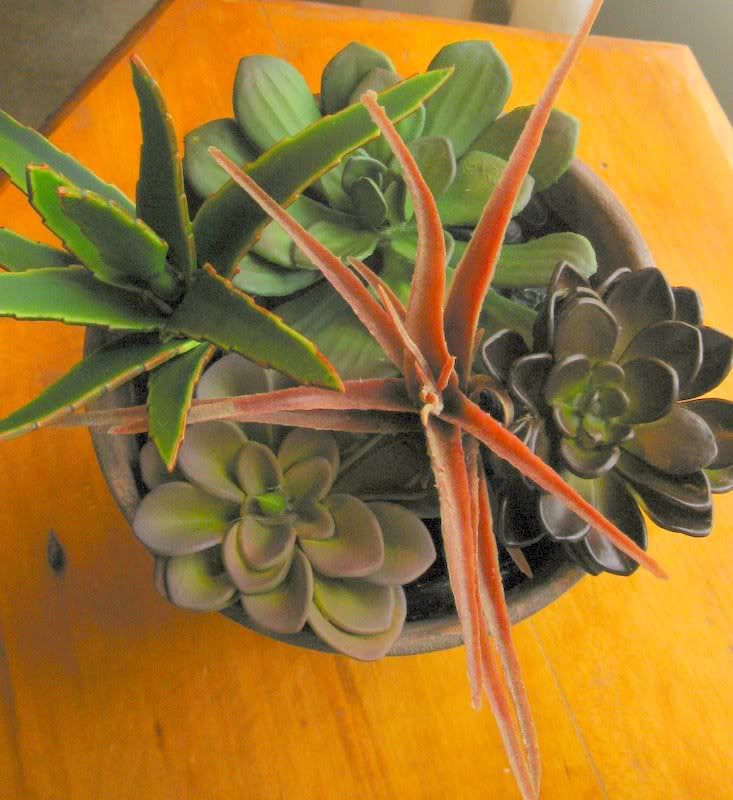
You can buy a collection of succulents like this one ready-made, pot and all.
I've found that although most of the really convincing silk plants like orchids, ferns, lilies, tulips, and peonies are pricey, you can easily get away with buying dollar store cactus and still pull it off in style. Perhaps it's the nature of these plants, their simple structure and smooth textures. 

To make them appear even more natural, put them in natural clay or stone containers. Stick their stems in floral foam or sand, and cover the surface with pebbles or river rocks. Or just let the sand be visible. Bingo! You're done.

The only real cactus represented here does, I admit, have a luminosity the others don't.
Using pretend plants is one example of smart DIY home staging. Staging your home for the real estate market doesn't have to take big bucks. Most of what you have will serve you just fine, thank you. I can show you how to refresh and update. My eBook, DIY Home Staging Tips to Sell Your Home Fast and For Top Dollar, concentrates on saving money and getting results. It's  easily down-loadable now, and comes with my money-back guarantee. 


I Hereby Declare This Week "Curb Appeal Awareness Week"

Mulching makes a huge curb appeal difference.
Because in some areas of the country, many of us (lucky ones) are finally able to get out and freshen up our yards, I chose this week to focus attention on landscaping.

I'm doing it on Facebook. Won't you join me?

Did you know that by clicking on my Facebook icon in the sidebar, you can receive a helpful Tip of the Day?

Starting this week, I'll be choosing a different topic each week and posting these tips on Facebook's DIY Home Staging Tips Group.

Next week, I'll be offering up tips on thrifting, and in future weeks, I'll pass along my favorite pointers on topics of concern to DIY home stagers, like:
  • photographing your home
  • trends to ignore
  • helpful websites
  • new products
  • common pitfalls
  • bedroom tricks
  • book recommendations
  • supermarket props
  • catalogs for inspiration
  • buyers' pet peeves
  • DIY insider tips and secrets
  • project management
  • vacant property tips
  • and lots more
The Facebook Group is also a way for you to connect with other home sellers, DIYers, decorators, crafters, renovators, realtors, investors, and others who are interested in home staging. You can easily access me to ask a question or tell me about your own project, start a conversation with other group members, or post your own helpful hints.

I love Facebook. I hope you'll decide to become part of the group. What could be easier? Just click!

Outside staging is alot like inside staging. It's all about being neat and clean.
When you're selling your home, your landscape is just about as important as your home's interior, and maybe even more so. It's the first thing buyers see.

Most of us have heard tales of buyers falling head over heels in love with a house when they first laid eyes on it as they drove by. At the same time, many homes sit on the market month after month because no one would guess how lovely they are judging by the curb appeal.
Spots of color liven the landscape.

I hope my Facebook tips this week will help you fine tune your home's curb appeal, that all-important aspect of  putting a home on the market.

Want more on how to boost your home's curb appeal? 

One chapter of my eBook,  DIY Home Staging Tips to Sell Your Home Fast and For Top Dollar, is all about staging your landscape. Landscaping is one topic I am passionate about. Like the rest of the book, it's full of down-to-earth advice that's helpful, practical, frugal, and illustrated -- written specifically for the DIY home stager.

Is that you? Then, download my book to help you through the home staging process. You have only once chance to impress buyers at the get-go.  My book will help you get it right, so that buyers see the real value in your home. 

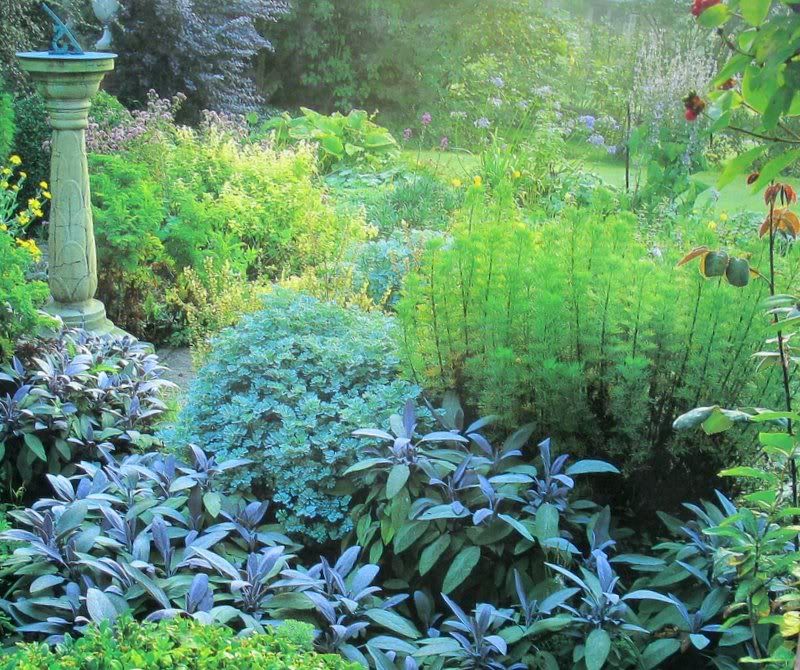
Photo: Fine Gardening

Sunday, April 17, 2011

Your Basic Goof-Proof Color Scheme: Black and White


Want to make the task of choosing colors for home staging easy?  Just go with the ultimate color combination that's not technically about color at all -- black and white.

Don't be scared off by decorators telling you that white is sterile. Forget your old notions of black and white being the stuff of silent movies, funerals and institutional bedding. 

Fact: White goes with everything. The trick is to pick a white that works with the non-change-able fixtures of your home -- the refrigerator, the carpeting, the painted trim, the toilet. Make a decision to go with a creamy white, or a pure bright white, or a grey white. Then, you're on easy street.

Paint things like mismatched furniture, vases, and frames shiny black. Slipcover your sofa with white. (Learn how from Kristi at Pink and Polka Dot). Add curtains in a black and white print. Buy new white towels and duvet cover. Put white shades on all your lamps. Now you're getting somewhere.

It's perfectly fine to add some color as long as black and white predominate. There are bound to be touches of wood, and greenery, and metals here and there. If you need photos to guide you on your way, here's encouragement.
I don't think this room would be as striking if the colors were different. Yes, you can choose contrasts this bold when staging because the colors themselves are not a distraction. Notice the use of a framed black and white photograph, an ideal and economical way to play up your subtle theme.
Outdoor spaces take on a sophistication and unity with a black and white scheme. A concrete patio can be painted white to make it look new. A can of spray paint will give outdoor furniture a fresh face. Planters and flower pots and even chandeliers are easy to paint as well.

Black and white doesn't mean stark. It's also luxurious. Many classic designs come in this combo. To nail down that luxe look, pay attention to textures. Make sure there are some glossy, reflective surfaces and some soft, inviting ones as well. 
If Pottery Barn is doing it, it's probably good for home staging. You could DIY hack these items. An office chair, even one not made of wood, can be spray-painted white, and who hasn't converted an ugly file cabinet to something more stylish with spray paint?  
Strong graphics and colors like this will make your home the one house hunters remember. Did you know that you can change the colors of an upholstered chair. Fabric paint can turn one of your own  rejects or thrift store bargain into the star of the show. 
  All photographs above: Apartment Therapy.

When you go with black and white, walls don't have to be white. Here, designer Gregga Jordan Smieszny gave the walls a lustrous grey finish. I like the black wall sconces. The two average-sized photographs take on added importance when given wide frames and mats.  Anything here for you to copy ? Photo: Desire to Inspire.
The same lovable color combination is the most popular way to paint a historic home (unless it's a Victorian or Craftsmen or wants to be painted historic Williamsburg colors). Black shutters, black roof, and you can't go wrong. Photo:Traditional Home.
A black and white beginning means you can cross the finish line with some other colors entering the race as well. For home staging, analogous colors like the creams and greys above, create a more seamless room. Photo: Traditional Home
No matter what the architectural style or age of your home for sale, there's a black and white pattern that's a perfect fit -- polka dots, checkerboards, houndstooth, buffalo plaids, zebra stripes, chevrons, key motifs, pinstripes, diamonds, wide stripes, paisleys, toile -- all classics. Read about mixing patterns here. Photo: Marimekko.

Don't let the simple, versatile popularity of black and white pass you by. Instead, harness its appeal to help sell your home. I wrote about all-white color schemes here, and blue and white color schemes here. Take your pick, and get staging!

For more tips about color and style selection to make your home sell, download my eBook, DIY Home Staging Tips to Sell Your Home Fast and For Top Dollar. It's loaded with helpful advice, easy-to-follow advice that lets you stage your home yourself to appeal to home buyers.      


Thursday, April 14, 2011

A Very Short Course in Herb Gardening


Even if you know zip about gardening, you can add an herb bed to your yard in an afternoon that makes your property look special.

Okay, maybe not so it looks as full and lush as the photo at the left, but I'm here to tell you that herb gardens have an almost magic attractiveness, and at the same time, are very do-able.

And when you are selling your home, you need all the  attractiveness you can get!

What's the big deal about herb plants, you ask? Well, for starters
  • Neatness counts. Herbs tend to have a tidy look about them.  Most don't grow real fast, so they stay tidy. That's a plus for curb appeal if your herbs are at the front of your house.
  • Antiquity counts. An herb bed, even a new one, makes a garden or yard look more established. Herbs have an air of permanence and maturity about them. If your house is fairly new, herbs add some character and age.  
  • Save money. One herb plant can stand alone as a specimen in a small garden and still look interesting. You don't need a row, a bed, or a drift of the same kind of plant, which is not the case with most perennials and annuals. Many herbs look great in pots, which means you can move your garden with you when your house sells. 
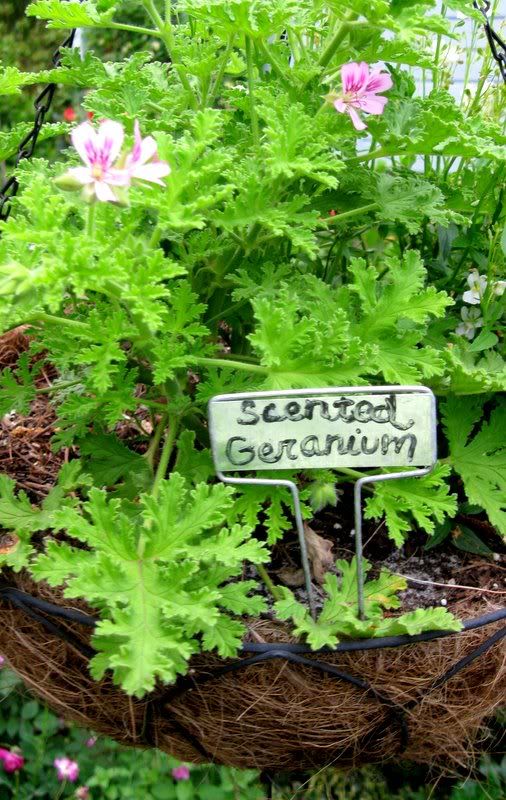
  • Assault the senses. Most herbs are fragrant. Many have blossoms. All have interesting textures and colors.
  • Intrigue buyers. A well-designed, interesting herb garden encourages lingering. The longer house hunters spend at your property, the greater the chances of them buying. Even a simple herb garden makes your landscaping unique, something buyers will remember after a day of touring homes. 
  • Look like an expert. Usually an herb bed has a formal structure, like a square, four squares, or a circle with quadrants, so it's easy to plant something that looks like you know what you are doing.
  • Sell the package. A focal point in the bed anchors it, and can create the atmosphere that will help sell your house -- a specific sculpture, birdbath, trellis, or planter box. Outdoor focal points remind buyers that there's more than a house for sale. There's property, too! And, of course, these garden ornaments don't have to convey with your home's purchase.
  • Small is good, too. Even if you are selling a condo or townhouse, a grouping of potted herbs or a windowbox of herbs adds a certain something, a je ne sais quoi. (I had to look up the spelling.)
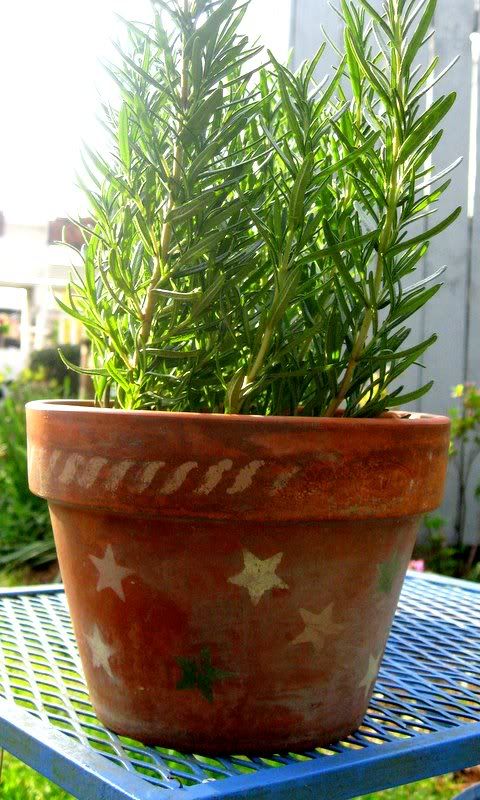
  • Their beauty lasts. Many attractive herbs are not only perennial but stay good-looking all year long, such as rosemary and bay laurel.
  • Create a sitting room. A backyard herb bed, even a tiny one with a bench, suggests a destination for prospective home buyers on their tour, a new vantage point for them to observe the house and surroundings.
  • Herbs mingle. When there are bare spots in a landscape, herb plants can be counted on to combine well. They will carpet a sparse rose bed, add another layer to a row of foundation shrubs, act as placeholders for tulips and other spring flowering bulbs, or fill the gaps between stepping stones.
  • Tempt buyers. House hunters who are gardeners will be attracted to the idea of an already etablished herb garden, but because the usual herb garden is orderly and mulched, it doesn't look like a maintenance nightmare to house hunters who aren't into yardwork.
  • It's DIY-friendly. No matter what kind of soil you have, or how much gardening experience you have, an herb garden looks fine and will prosper in a raised bed that you can construct yourself, and fill with the kind of well-draining soil that herbs thrive in.
  • They are versatile. No matter what style your home is, from humble country cottage to McMansion, there's an herb garden style that's just right.
I grow about 25 different herbs, some culinary, some medicinal, some ornamental. These are some photos from my garden. In another post, I will give a step-by-step for making a simple herb garden that will add value to your home.

Echinacea flower. You can see why I love the macro lens.
Although it looks color-enhanced, this is actually an accurate depiction of a certain oregano. 
When you start with subjects from nature, it almost feels like cheating to get good pictures.
I try to find images that tell a story, even if it's just a lettered sign or label.
Flower of a society garlic plant. I couldn't resist cropping close and enlarging it.
I deliberately put the sun behind this rosemary plant to give it a hazy look.
Closeups let you see what's not visible to the naked eye, like the tiny hairs on woolly thyme. 

I am linking this post to a new Linky Party called Photo Feature Friday at A Rosy Note, so I am including these notes: My camera is a simple Cannon PowerShot A1000 IS. I will admit right here that most of the options available, I don't even use, like adjusting the tone, zoom, or changing the recording pixels. The result is I'm not always happy with my pictures. I am hoping that I can push myself to take better pictures by tuning in to Tricia's Linky on Fridays. 

Here's what does seem to work for me.
  • I like to use the macro mode for a sharp focus on small details. 
  • I always turn the flash off. 
  • I like to shoot early or late in the day. 
  • I take excessive multiples of the same shot and delete all but the one I like best once I put them on my computer. Then I edit in Picasa. 
  • I usually crop to improve the composition, and then improve the contrast with the "Fill Light" and "Shadows" options.
  • For indoors photos, forget nights and evenings. Nothing beats natural lighting.
  • Sometimes I increase the saturation a little, but often this can make a photo look cartoonish. It's amazing what a little, simple editing can do to an ordinary shot.
  • I carry my camera with me all the time.
  • When I need a blog image, don't have it and can't find it online, I resort to photographing a book or magazine picture (with appropriate credit, of course). The trick is to get even, adequate light with no glare off the page. The very top photo in this post is taken from a book cover. The book is entitled Making An Herb Garden, and the author is Catherine Mason.
  • The self timer and a tripod are indispensable for making good tutorials.
  • The only thing I don't like about my present camera is that it has a big appetite for batteries.
I look forward to seeing what experienced photographers are doing, so I can be inspired and educated.

Photobucket


Monday, April 11, 2011

Fireplace Facts: Which Way Should Chairs Face and Other Dilemmas.

Nostalgic today, but essential for heating once upon a time.
I've just returned from a local tour of historic homes. I can't get enough of these places. It's like a high for me.

I would not want to own and maintain any of these 200- and 300-year old houses, but walk through them? I'm first in line! I never miss our annual Spring Tour of Historic Homes and Gardens.

Unfortunately, visitors are not allowed to photograph the interiors. One year I took a sketchbook, and scribbled line drawings and notes, but people glared at me and wondered if I was up to no good, so I didn't do that again.

But, oh, how I wish I could have brought you all along with me today. I think you would have been swooning with me over the priceless antiques, the gorgeous colors, the exquisite craftsmanship, the variety of architectural styles, the art collections, the floral arrangements, and even the charm of the not-so-perfectly-restored homes.

Of course, most of these old residences have multiple fireplaces. It's common to see chairs flanking the fireplace. Sometimes these chairs face the fireplace, and sometimes they face out. Sometimes there's nothing at all near the fireplace, and sometimes all the furniture in the room is arranged in front of it.

None of the showplaces I walked through today were homes on the market, but my tour made me think about fireplaces. I decided to blog about how to stage a fireplace to accent this asset, whether it is a wood-burning one, gas logs, or even a non-functioning one.

If you have a fireplace to stage, the good news is there's no right or wrong way to feature it as long as you feature it. Don't hide it behind a mountain of books, a cluster of kids toys, a jumble of media boxes and cables, or heaven forbid, a big ole piece of furniture. Here are some pointers to guide you.
  • Anchor it. Make the fireplace the focal point of any staged room. People love fireplaces and they are a natural, architectural focal point. In a very large or multi-purpose room, a fireplace might be the secondary focal point, allowing house hunters the pleasure of discovering a bonus.
  • Add weight. Start by placing the largest piece of furniture in such a way that it emphasizes the fireplace, either visible immediately when someone enters the room, directly facing the fireplace, or even perpendicular to one end of the fireplace.
  • Experiment. Every room and every fireplace is unique. Fooling around with different pieces of furniture and different arrangements is a technique for finding the perfect grouping that even the experts use. Get your sliders out.
  • Refresh it. When it's spring and summer, it's time to exchange the logs and fireplace tools for a seasonal touch -- flowers, a plant, or a painting that says "fresh."
  • Break rules. If the fireplace is in the dining room or bedroom, there may not be room for the usual chairs flanking or facing the fireplace. In that case, stage the mantel to be the star of the room.
  • Be creative. A corner fireplace can be tricky to stage. Keep the furniture pieces small to solve any traffic flow problem.  Limit the number of pieces at the fireplace to avoid a lopsided look to the room.
  • Stage the mantel. The mantel is usually the icing on the cake. Choose accessories that emphasize the special features of your home -- contemporary prints if your home is newish or recently remodeled, charming antiques if your home is a cozy cottage, beachy items in you live near the coast, or period art work if your home is historic like the ones I got to peek into.   
    Don't be afraid to limit seating to one chair beside or even facing the fireplace. Keep it from looking lonely with a side table, bookcase or lamp. Photo: Mantels Direct.

    Just because chairs face away from the fireplace, does not mean they detract from its importance. These two generously-sized chairs frame the fireplace. Photo: Meredith Corp.
The most common approach to staging a fireplace is to group the conversation area directly in front of it. But this is not a hard and fast rule.Photo:Traditional Home.

When a fireplace is so massive it rules the room, furniture has to be spaced accordingly to bring balance to the room. Photo: House Beautiful.
This movable, mirrored screen actually conceals a television that sits in the nonworking fireplace of a bedroom featured on Apartment Therapy. Photo: The Lennoxx
One way to dress up an unused or off-season firebox is with a colorful screen like this, a standard screen, spray painted a fun color that ties the fireplace to the room. Photo: Apartment Therapy.

Two couches run perpendicular to this fireplace, as if to point to its location. Two stools near the hearth also draw attention to that end of the room. Photo: Coburn Architecture.


Springtime makeover: Hydrangeas are one foolproof choice. Allowed to dry, they will stay handsome all summer long, giving the black hole of a fireplace some life. Photo: Country Living.

A fireplace is such a selling point in a home for sale, that not staging it beautifully represents a missed opportunity. Is there a fireplace in your home for sale? Do you have it staged to sell? 

When you order my eBook, DIY Home Staging Tips to Sell Your Home Fast and For Top Dollar, you'll receive chapter after chapter of helpful hints and DIY projects to let you stage your own home on a dime. You can download it now and begin immediately to see how many economical and quick projects there are that add value to your home on the market.

Top photo: House Beautiful.